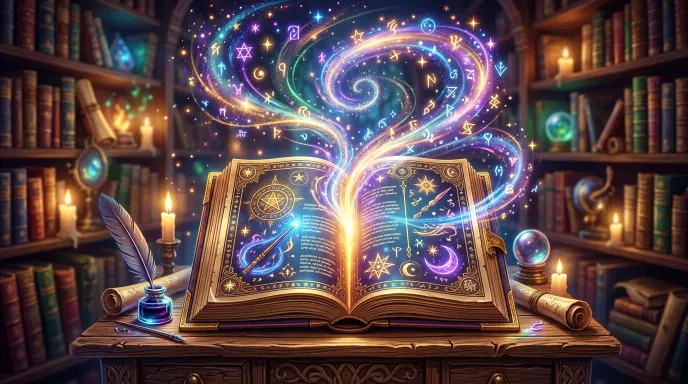
Have you ever looked at a beautiful sunset and thought, “This feels like magic”? Or maybe you’ve watched a magician perform a trick that left everyone speechless. The word magic is one of those special words we use when something feels amazing, mysterious, exciting, or impossible to explain.
A few years ago, I visited a mountain area just before sunrise. As the sun slowly appeared behind the hills, the sky turned shades of orange, pink, and gold.
Everyone around me stood quietly, taking in the view. One person simply said, “This is pure magic.” At that moment, no other word seemed perfect.
However, if you’re a student, blogger, content writer, or English learner, using the same word repeatedly can make your writing sound repetitive.
That’s why learning different synonyms for magic is so valuable. These words help you express wonder, mystery, beauty, and supernatural power in more creative ways.
In this guide, you’ll discover 30 useful alternatives to the word magic, along with meanings, explanations, and real-life examples.
1. Enchantment
Meaning: A feeling of magical delight or charm.
Why it works: Enchantment is often used when something feels beautiful, fascinating, or almost dreamlike.
Examples:
- The old garden was filled with enchantment.
- Children explored the forest with a sense of enchantment.
2. Sorcery
Meaning: The use of magical powers.
Why it works: This word is common in fantasy stories involving wizards, spells, and supernatural abilities.
Examples:
- The wizard spent years studying sorcery.
- Ancient sorcery protected the kingdom.
3. Wizardry
Meaning: Great magical skill.
Why it works: Wizardry often describes impressive magical abilities or extraordinary talent.
Examples:
- The book is full of wizardry and adventure.
- His wizardry amazed everyone in the village.
4. Witchcraft
Meaning: Magic associated with witches.
Why it works: Frequently used in folklore, fantasy novels, and historical stories.
Examples:
- The villagers feared witchcraft.
- The story explores ancient witchcraft traditions.
5. Mysticism
Meaning: Spiritual mystery and supernatural belief.
Why it works: Mysticism is connected with deeper spiritual experiences and hidden knowledge.
Examples:
- Mysticism influenced many ancient cultures.
- The temple was known for its mysticism.
6. Charm
Meaning: A magical spell or attractive quality.
Why it works: Charm can refer to both magic and personal appeal.
Examples:
- The charm was believed to bring good luck.
- Her smile had a natural charm.
7. Spell
Meaning: Magical words or actions that create an effect.
Why it works: One of the most common words used in magical stories.
Examples:
- The witch cast a powerful spell.
- A mysterious spell changed everything.
8. Bewitchment
Meaning: The state of being enchanted.
Why it works: It suggests being deeply fascinated by someone or something.
Examples:
- The audience watched in complete bewitchment.
- Her voice created a sense of bewitchment.
9. Glamour
Meaning: Attractive beauty with a magical quality.
Why it works: Glamour often combines beauty, elegance, and fascination.
Examples:
- The city lights added glamour to the evening.
- The actress was admired for her glamour.
10. Illusion
Meaning: Something that appears real but isn’t.
Why it works: Perfect when discussing stage magic and visual tricks.
Examples:
- The magician performed an incredible illusion.
- What looked real was actually an illusion.
11. Trickery
Meaning: Clever deception.
Why it works: Often associated with magic performances and practical jokes.
Examples:
- The audience loved his trickery.
- Trickery helped create the impossible effect.
12. Prestidigitation
Meaning: Skillful hand magic.
Why it works: A formal word often used for professional magic tricks.
Examples:
- His prestidigitation amazed the crowd.
- Years of practice improved his prestidigitation.
13. Conjuring
Meaning: The act of producing magical effects.
Why it works: Commonly used when discussing stage magicians.
Examples:
- Conjuring fascinated the children.
- He learned conjuring from a famous performer.
14. Necromancy
Meaning: Magic involving spirits or the dead.
Why it works: Popular in fantasy books and games.
Examples:
- Necromancy was forbidden throughout the kingdom.
- The villain secretly practiced necromancy.
15. Alchemy
Meaning: Ancient magical transformation.
Why it works: Historically linked with turning metals into gold.
Examples:
- Alchemy fascinated scholars for centuries.
- The novel combines alchemy and adventure.
16. Wonder
Meaning: A feeling of amazement.
Why it works: Not all magic involves spells. Sometimes it’s simply wonder.
Examples:
- The fireworks filled everyone with wonder.
- Children looked around in wonder.
17. Marvel
Meaning: Something extraordinary.
Why it works: Used for things that inspire admiration.
Examples:
- The ancient monument was a marvel.
- Modern technology is a marvel of innovation.
18. Miracle
Meaning: An extraordinary event.
Why it works: Often used when something wonderful seems impossible.
Examples:
- His recovery felt like a miracle.
- Winning the competition was a miracle.
19. Fascination
Meaning: Strong interest or attraction.
Why it works: Similar to the feeling people experience when witnessing magic.
Examples:
- Her fascination with space never faded.
- The story held everyone’s fascination.
20. Wonderment
Meaning: A state of amazement.
Why it works: Often describes the emotional impact of magical experiences.
Examples:
- Wonderment filled the room.
- The children stared in wonderment.
21. Mystique
Meaning: An atmosphere of mystery.
Why it works: Perfect for describing people or places that seem intriguing.
Examples:
- The island had a unique mystique.
- Her mystique attracted attention.
22. Supernatural Power
Meaning: Power beyond natural laws.
Why it works: A direct alternative when discussing magical abilities.
Examples:
- The hero possessed supernatural power.
- Legends spoke of supernatural power.
23. Arcana
Meaning: Secret magical knowledge.
Why it works: Common in fantasy novels and role-playing games.
Examples:
- The wizard studied ancient arcana.
- Arcana remained hidden for centuries.
24. Divination
Meaning: Predicting the future through mystical methods.
Why it works: Connected with fortune-telling and magical traditions.
Examples:
- Divination was respected in ancient cultures.
- She learned divination from her grandmother.
25. Thaumaturgy
Meaning: The performance of miracles.
Why it works: A sophisticated synonym often used in literature.
Examples:
- Thaumaturgy amazed the crowd.
- Ancient texts described acts of thaumaturgy.
26. Enigma
Meaning: A mystery that is difficult to understand.
Why it works: Creates the same sense of curiosity as magic.
Examples:
- The castle remained an enigma.
- His disappearance became an enigma.
27. Mystery
Meaning: Something unexplained.
Why it works: Many magical experiences are surrounded by mystery.
Examples:
- Mystery surrounded the old house.
- The cave was filled with mystery.
28. Awe
Meaning: Deep admiration and amazement.
Why it works: A common reaction to magical or beautiful experiences.
Examples:
- The audience watched in awe.
- Nature inspired awe in everyone.
29. Mesmerism
Meaning: A hypnotic attraction.
Why it works: Suggests a magical ability to capture attention.
Examples:
- His speech had a strange mesmerism.
- The performer relied on mesmerism.
30. Magic Touch
Meaning: A special ability to make things successful.
Why it works: Commonly used in everyday conversations.
Examples:
- She has a magic touch with flowers.
- His magic touch improved the business.
Frequently Asked Questions
What is the best synonym for magic?
Some of the best synonyms for magic include enchantment, sorcery, wizardry, wonder, miracle, and mystique. The best choice depends on the context.
Which synonym for magic is most suitable for fantasy writing?
Sorcery, wizardry, witchcraft, arcana, necromancy, and spell are excellent options for fantasy stories.
Can magic be used to describe real-life experiences?
Yes. People often use magic to describe unforgettable moments, beautiful scenery, or special memories.
Why should I learn synonyms for magic?
Learning synonyms improves vocabulary, makes writing more engaging, and helps avoid repeating the same word.
Are all synonyms for magic interchangeable?
No. Some words refer to supernatural powers, while others describe wonder, mystery, beauty, or fascination.
Final Thoughts
The English language offers many exciting alternatives to the word magic. While “magic” is a wonderful word on its own, using different expressions can make your writing richer and more engaging. Whether you’re describing a fantasy world, a breathtaking landscape, an unforgettable experience, or a mysterious event, choosing the right synonym can make a huge difference.
Words such as enchantment, wonder, miracle, mystique, sorcery, and wizardry each bring their own unique flavor to a sentence. As you continue improving your English vocabulary, try using these words in essays, blog posts, stories, emails, and daily conversations.
The more vocabulary you learn, the more powerful and expressive your writing becomes. Start practicing these synonyms today, and you’ll soon discover the magic of better communication.

I am Johnny Lee is a passionate writer and language enthusiast dedicated to making English grammar simple, practical, and easy to understand. Through grameases.com, he helps learners improve their English skills with clear explanations.